
Knit Fabric Manufacturer for Apparel Collections
Explore our eight core knit fabric categories, compare individual fabric specifications, and find a starting point for your next garment collection.
Jersey, rib and interlock offer different construction choices. Jacquard patterns, pique textures, brushed surfaces, mesh structures and ponte fabrics add further directions for apparel selection.
Explore Our Knit Fabric Categories
Start with the fabric structure your garment needs. Compare composition, weight and usable width within each category before deciding which options to discuss.
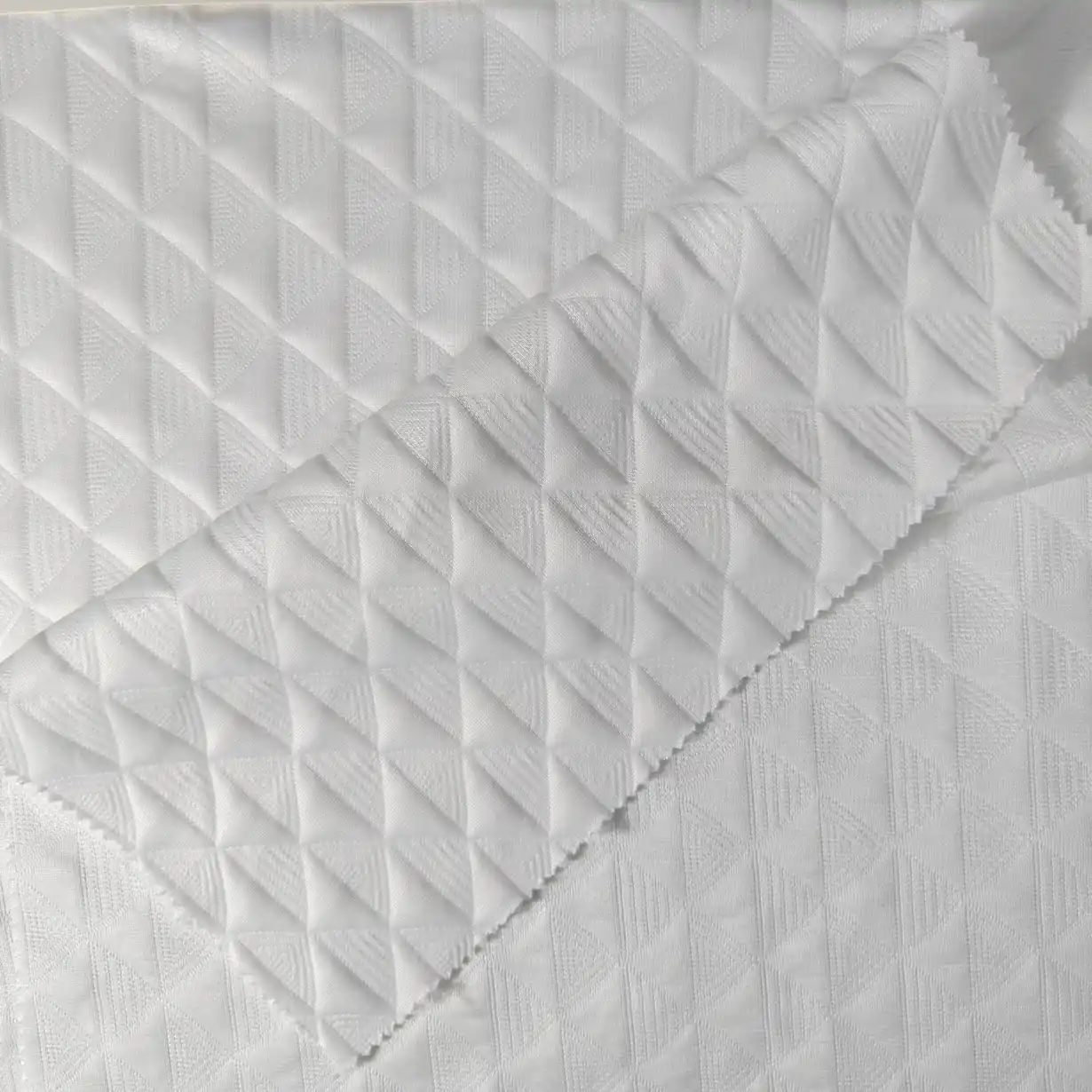
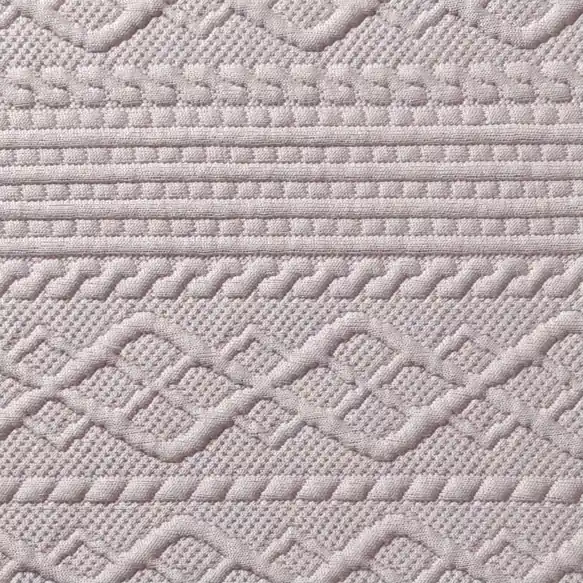
Jacquard Fabric
For apparel designs where knitted patterns are part of the fabric itself. Compare pattern scale and fabric weight against the appearance and drape your garment needs.
Explore Jacquard Fabric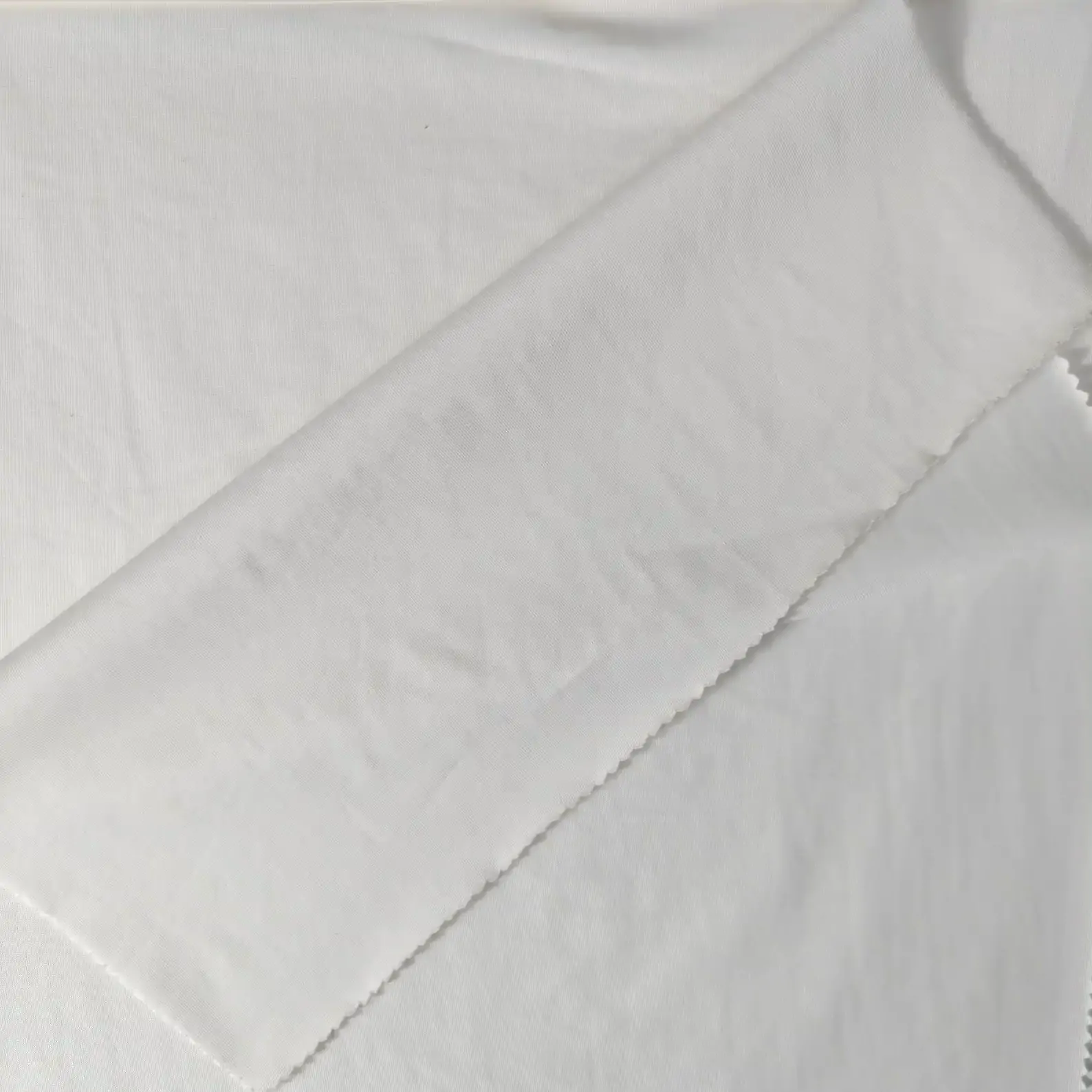
Jersey Fabric
For T-shirts, tops and loungewear projects built around jersey construction. Consider composition and weight alongside the hand feel required for your collection.
Explore Jersey Fabric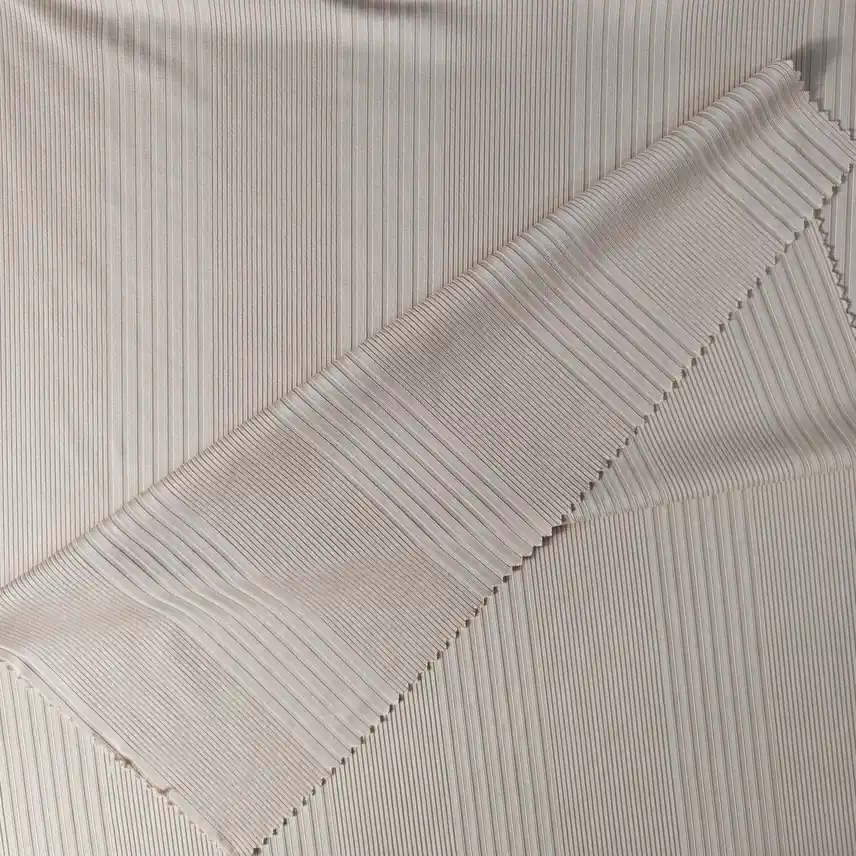
Rib Fabric
For garments and components that call for a ribbed structure. Compare rib patterns and composition, then specify the stretch and recovery requirements of your design.
Explore Rib Fabric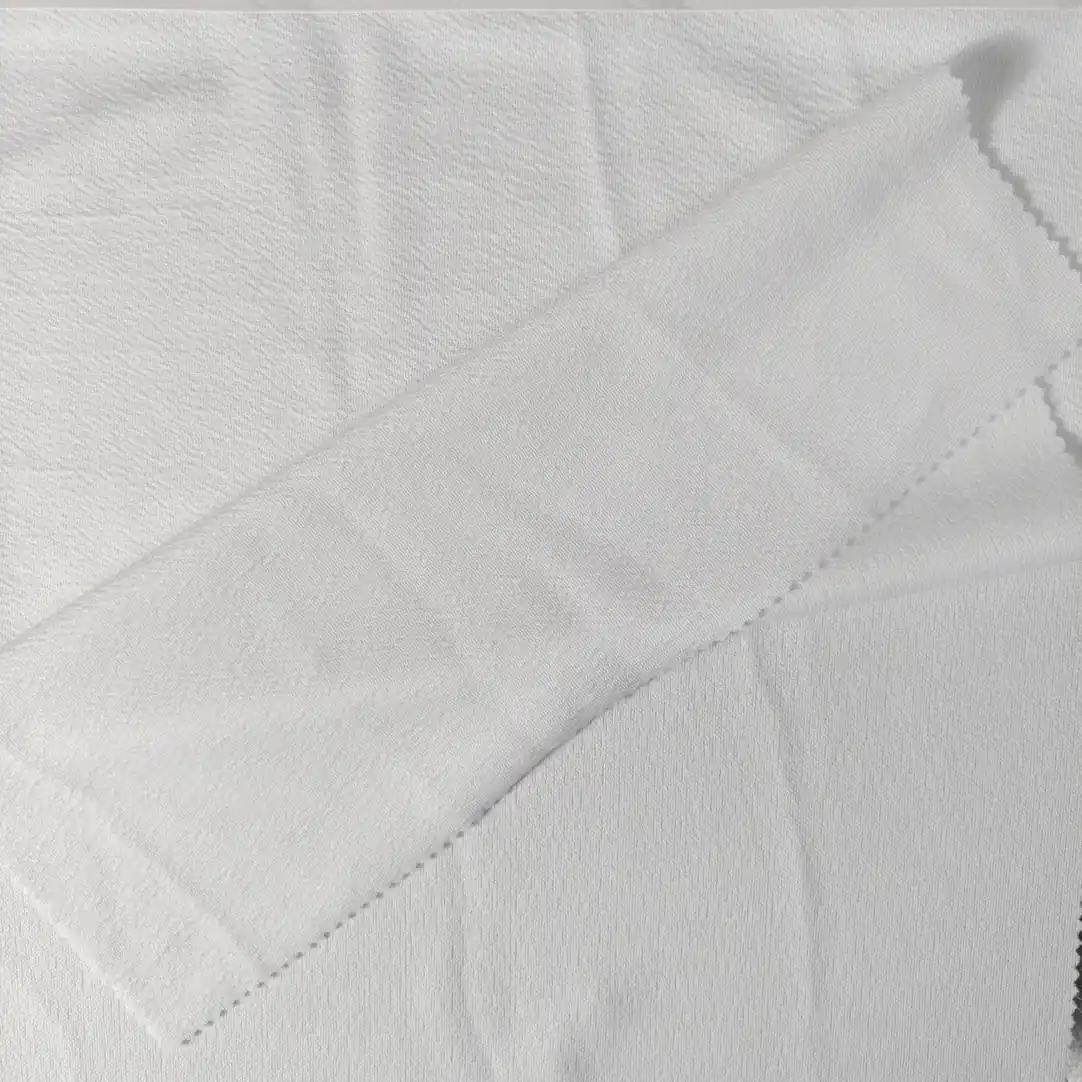
Pique Fabric
For tops and casual apparel where a textured surface is part of the design. Compare surface structure and weight to establish the fabric direction for your garment.
Explore Pique Fabric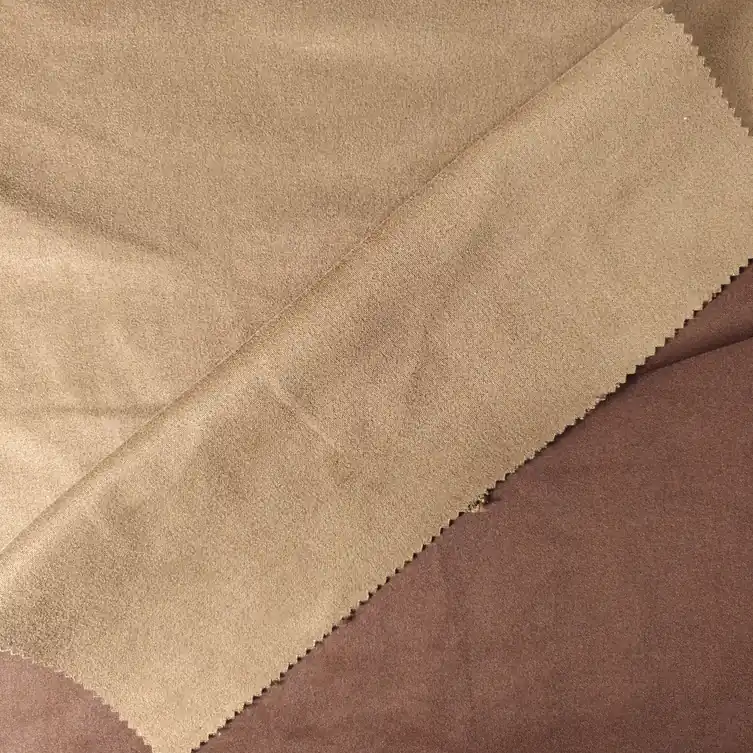
Fleece Fabric
For sweatshirt and loungewear projects specifying fleece or brushed surfaces. Identify the required surface finish and weight rather than selecting by category name alone.
Explore Fleece Fabric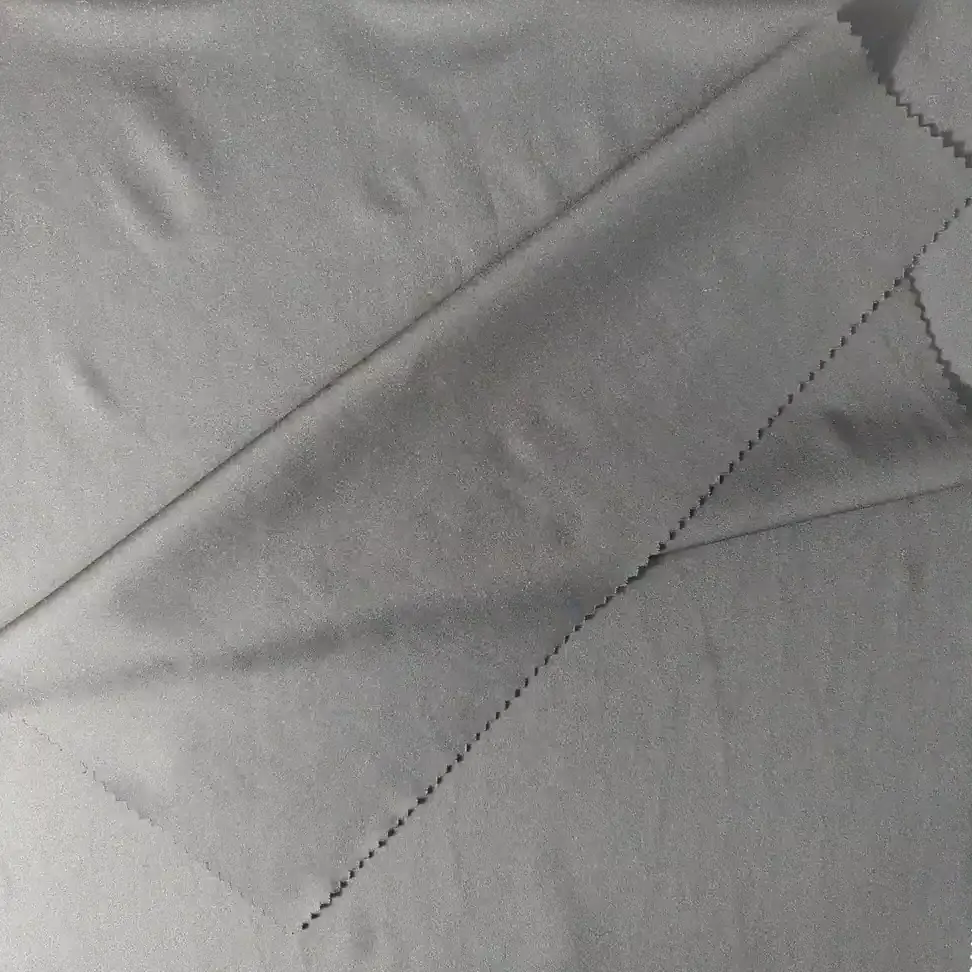
Interlock Fabric
For apparel projects specifying an interlock double-knit structure. Compare composition and weight alongside the body and stretch your garment requires.
Explore Interlock Fabric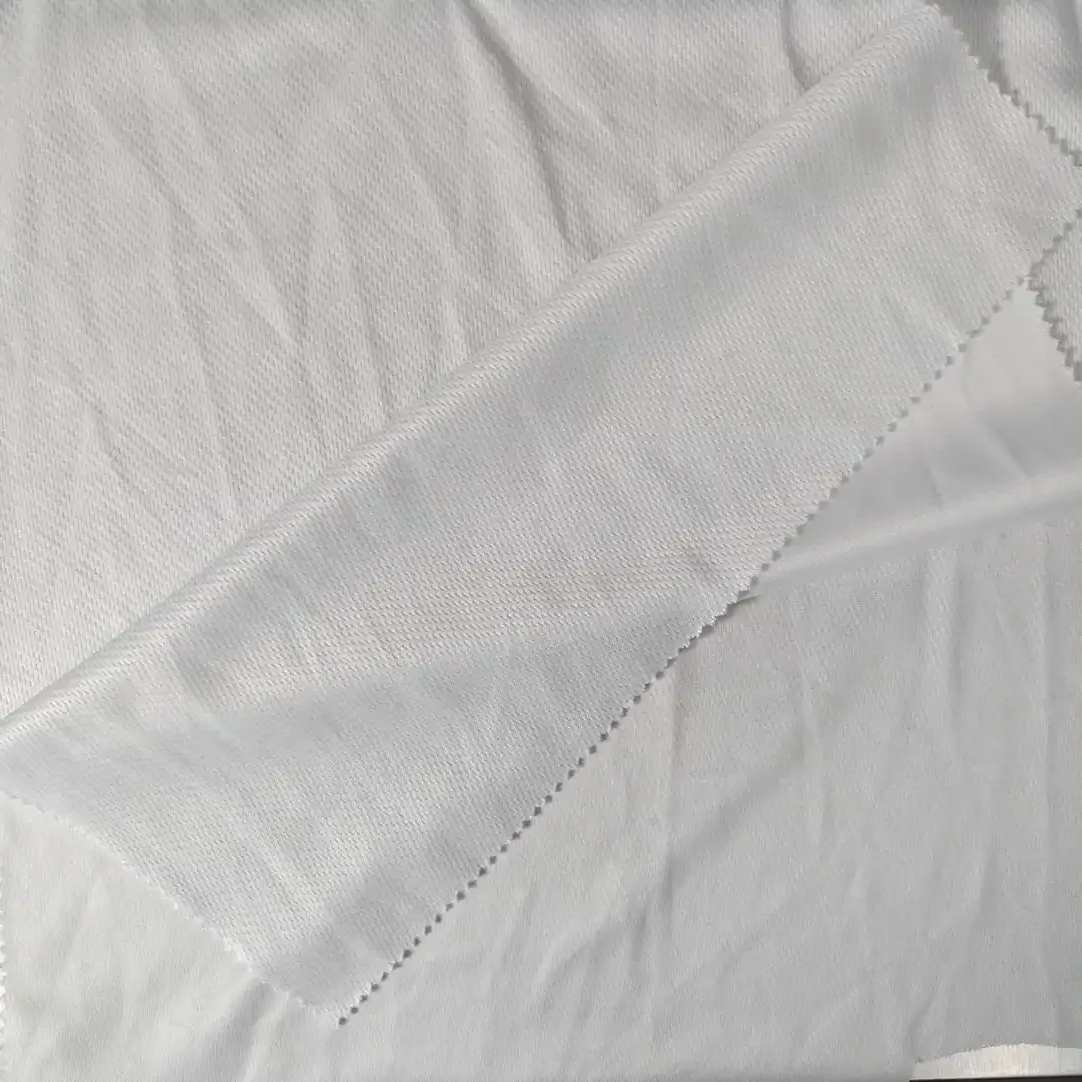
Mesh Fabric
For garments or panels where an open fabric structure is required. Compare mesh construction and openness, then check weight against the intended use.
Explore Mesh Fabric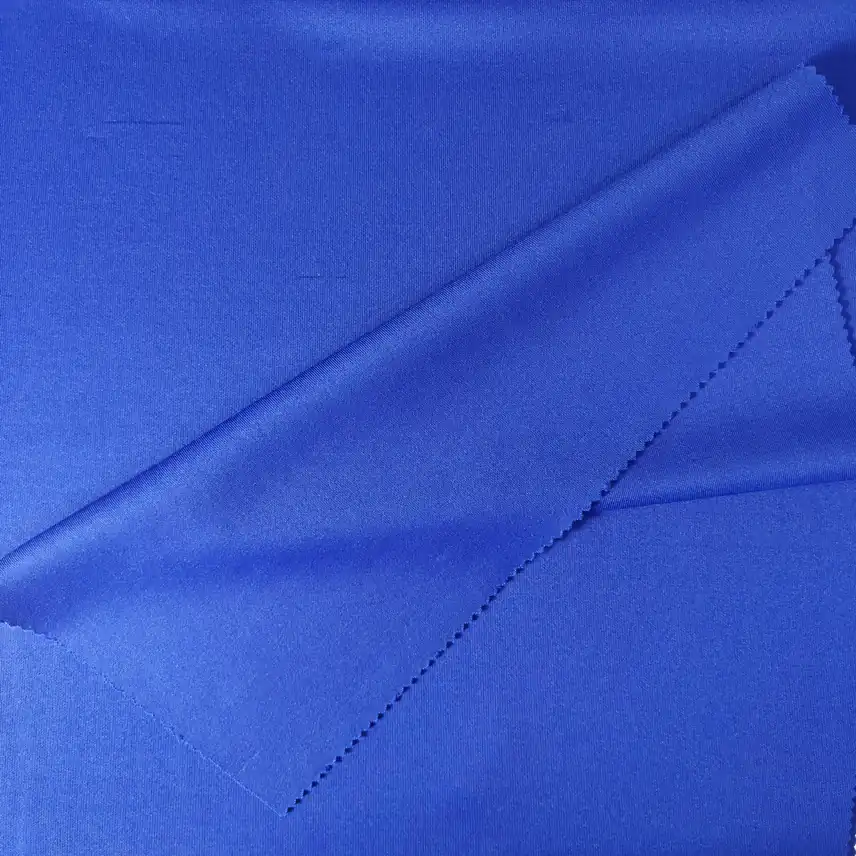
Ponte Fabric
For dresses, skirts and trousers where fabric body matters to the silhouette. Compare weight and composition, and specify the stretch required for the finished garment.
Explore Ponte FabricSelected Knit Fabric Specifications
Compare the fabric identity and width description alongside its weight. A category name or a GSM figure alone does not define the full specification.
| Fabric Example | Weight | Width | Width Description |
|---|---|---|---|
| 9230 Jacquard Knit | 170 gsm | 175 cm | Bound-edge width |
| 40/30 Cotton-Touch Jersey | 180 gsm | 175 cm | Usable width not specified |
| 40/40 1×1 Rib | 200 gsm | 170 cm | Usable width |
| Hexagon Pique | 210 gsm | 180 cm | Usable width |
Note: The rib and pique examples are labeled with conditioned fabric weights. These are individual reference specifications, not category-wide ranges or order tolerances.
Keep the Width Basis Attached to the Number
A 175 cm bound-edge width and a 170 cm usable width do not describe the same cutting area. Garment layout decisions depend on the usable width of the individual fabric.
Use Weight as One Selection Factor
The 200 gsm rib and 210 gsm pique examples are close in weight but differ in construction and surface. GSM does not establish stretch recovery, opacity or suitability for a particular garment.
Avoid Three Common Fabric Selection Mismatches
Fabric Selection Dimensions
A systematic approach to sourcing the right material for your garment production.
Composition Analysis
Evaluate base fibers independently of surface hand-feel.
Structural Matching
Align knit types (Jersey, Rib, Interlock) with required stretch and drape.
Performance Check
Verify functional capabilities rather than relying on category labels.
Final Selection
Proceed to sampling with the optimal fabric match.
Choosing by Touch Instead of Composition
A cotton-touch jersey can feel different from a cotton jersey without containing the same fibers. Our range separates construction names from surface descriptions, so composition should be reviewed independently of hand feel.
Substituting One Knit Structure for Another
Jersey, rib and interlock respond differently to garment design. A similar color or weight does not make them interchangeable. Compare the structure, required extension and finished silhouette before selecting an alternative.
Treating an Activewear Category as a Performance Result
Jersey, interlock and mesh provide different starting points for activewear. The fabric still needs to meet the garment’s requirements for coverage, stretch and recovery. A category label does not establish moisture management or other performance results.
Compare Different Fabric Directions Within Our Range
Eight Categories for Different Garment Needs
Our range brings jacquard, jersey, rib, pique, fleece, interlock, mesh and ponte into one fabric sourcing discussion. A pattern-led design, a ribbed garment and a structured silhouette can begin with different categories rather than one general request for stretch fabric.
Specific Examples for a Clearer Comparison
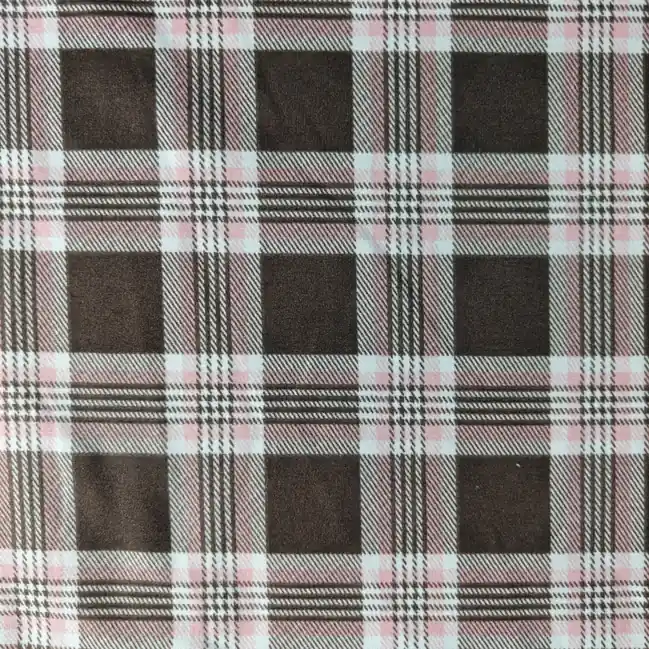
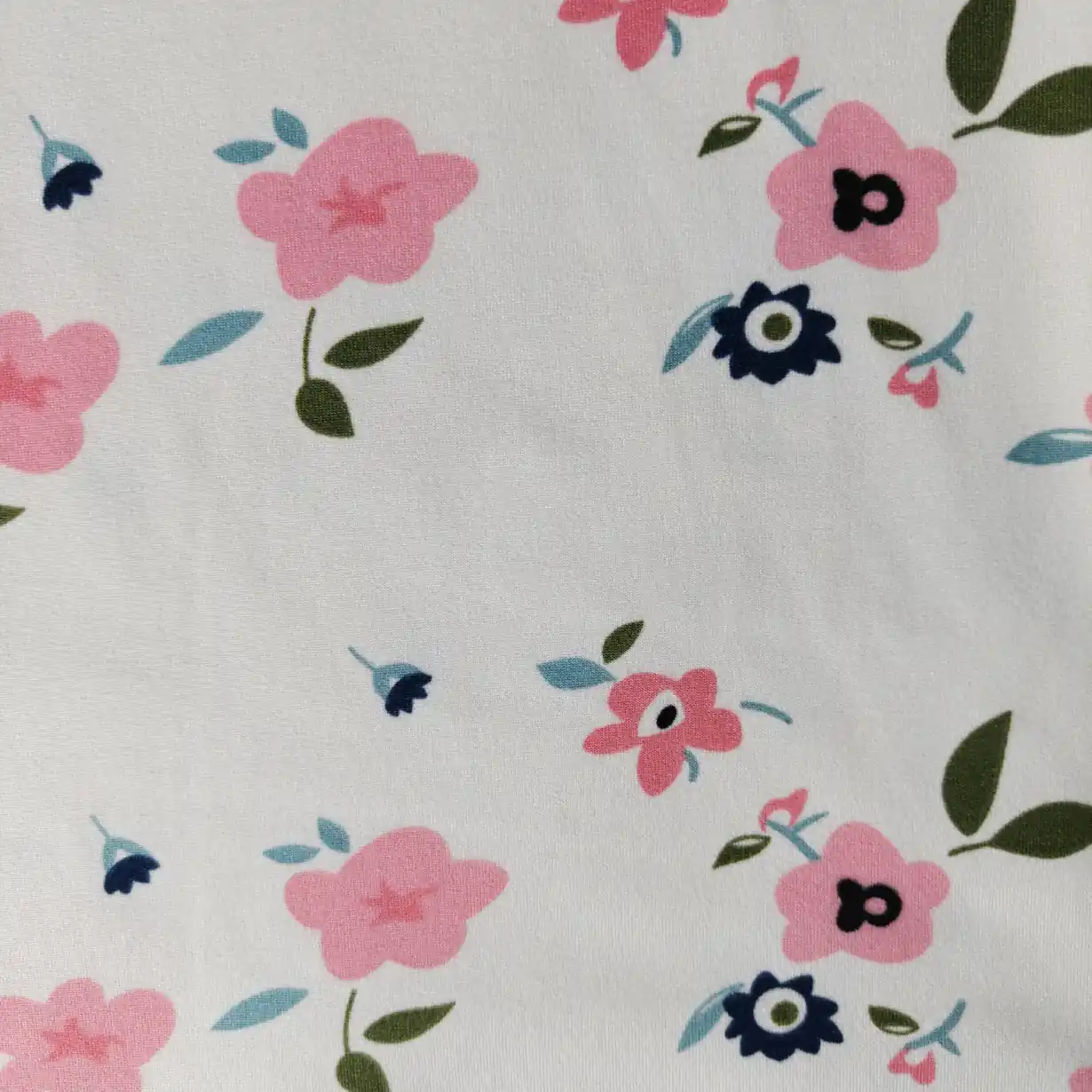
The selected jacquard, jersey, rib and pique examples connect fabric identity with weight and width. This makes the discussion more specific while keeping the final choice tied to composition, garment use and the agreed specification.
Knit Fabric Selection and Sourcing Guide
How Do I Choose Knit Fabric for T-Shirts?
Start with the intended fit and surface. Jersey is a starting point for a smoother everyday T-shirt, rib introduces visible columns, and pique offers a textured direction. Jacquard can be considered when the knitted pattern forms part of the design.
Then compare composition, weight, usable width and the amount of movement the garment requires. A heavier fabric is not automatically a better T-shirt fabric; the choice also depends on drape, coverage and the intended silhouette.
| Design Direction | Categories to Compare | Main Evaluation Point |
|---|---|---|
| A smoother everyday top | Jersey | Composition, drape and weight |
| A visibly ribbed fitted top | Rib | Rib pattern, extension and recovery |
| A textured casual top | Pique | Surface definition and garment feel |
| A pattern-led top | Jacquard | Repeat scale, texture and drape |
What Is the Difference Between Jersey and Interlock?
Single jersey has distinct face and reverse appearances. Interlock is a double-knit construction with a more similar appearance on both sides. These differences affect how the fabrics are evaluated for a garment, but do not establish identical behavior across all compositions and weights.
| Selection Point | Jersey | Interlock |
|---|---|---|
| Construction | Single knit | Interlocking double knit |
| Surface comparison | Face and reverse differ | Face and reverse are more similar |
| What to assess | Drape, edge behavior and fit | Fabric body, both surfaces and stretch |
| Procurement implication | Match the actual fabric to the pattern | Do not substitute by weight alone |
How Do Cotton and Polyester Knit Fabrics Differ?
Cotton is a natural cellulosic fiber; polyester is a synthetic fiber. Cotton generally absorbs more moisture into the fiber, while polyester has lower moisture absorption. The finished fabric’s behavior also depends on yarn, construction, blending and finishing.
Cotton-touch is a hand-feel description, not a fiber declaration. The 40/30 cotton-touch jersey example combines 93% polyester with 7% spandex. A soft or cotton-like surface should therefore be evaluated separately from the fiber percentages.
| Question | Cotton Knit | Polyester Knit |
|---|---|---|
| Fiber identity | Natural cellulosic fiber | Synthetic fiber |
| Moisture absorption into the fiber | Generally higher | Generally lower |
| What the name does not establish | Shrinkage result, recovery or garment suitability | Wicking result, recovery or garment suitability |
| What to compare next | Actual construction, finish and care behavior | Actual construction, finish and care behavior |
Which Stretch Knit Types Should I Compare for Activewear?
Begin with the role of the fabric in the garment. Jersey and interlock can be compared for the main fabric, while mesh can provide an open-structure direction for panels. These choices are not interchangeable simply because they are used in an activewear design.
For fitted garments, assess stretch in the relevant directions, recovery after extension and coverage during movement. For mesh, opening size and panel placement also matter. Spandex content alone does not establish a stretch percentage or a recovery result.
Open mesh does not provide the same coverage as a closed knit. Evaluate the individual fabric and garment construction together.
Can I Identify a High-Quality Knit Fabric by Touch?
Touch helps assess softness, surface texture and drape. It cannot establish fiber content, colorfastness, pilling resistance or dimensional stability after care.
Our jacquard, rib and pique options make surface differences easy to compare, but surface preference is only one part of selection. Review appearance and the agreed specification alongside any test results relevant to the garment’s intended use.
- Inspect both the face and reverse.
- Compare the fabric against its stated composition and dimensions.
- Assess the relevant stretch direction and recovery behavior.
- Evaluate care-related changes under the method required for the garment.
What Should I Check for Organic or Sustainability Requirements?
Translate the requirement into a specific material claim and the documentation needed to support it. Cotton content alone does not establish organic status, and a soft or natural-looking surface does not establish a sustainability claim.
For a certified purchase, check the applicable standard, certificate validity and scope, and the documentation connecting the claim to the relevant product or transaction where required. Establish eligibility for the particular fabric and order before relying on the claim.
What Should I Compare Before Sampling or Ordering in Bulk?
A representative sample is useful when it matches the intended construction, composition, weight and finish. A similar-looking swatch may not be an equivalent substitute.
For a bulk quotation, compare the same fabric specification and width basis across offers. Keep quantity and units, colors, required documentation, delivery terms and purchasing schedule attached to the request so that differences in the offers can be understood.
- Identify the fabric category and individual reference.
- Check composition, weight and usable width.
- Review the required surface, drape and stretch behavior.
- Establish the relevant evaluation criteria and acceptance requirements.
- Discuss sample arrangements and order terms for the particular request.
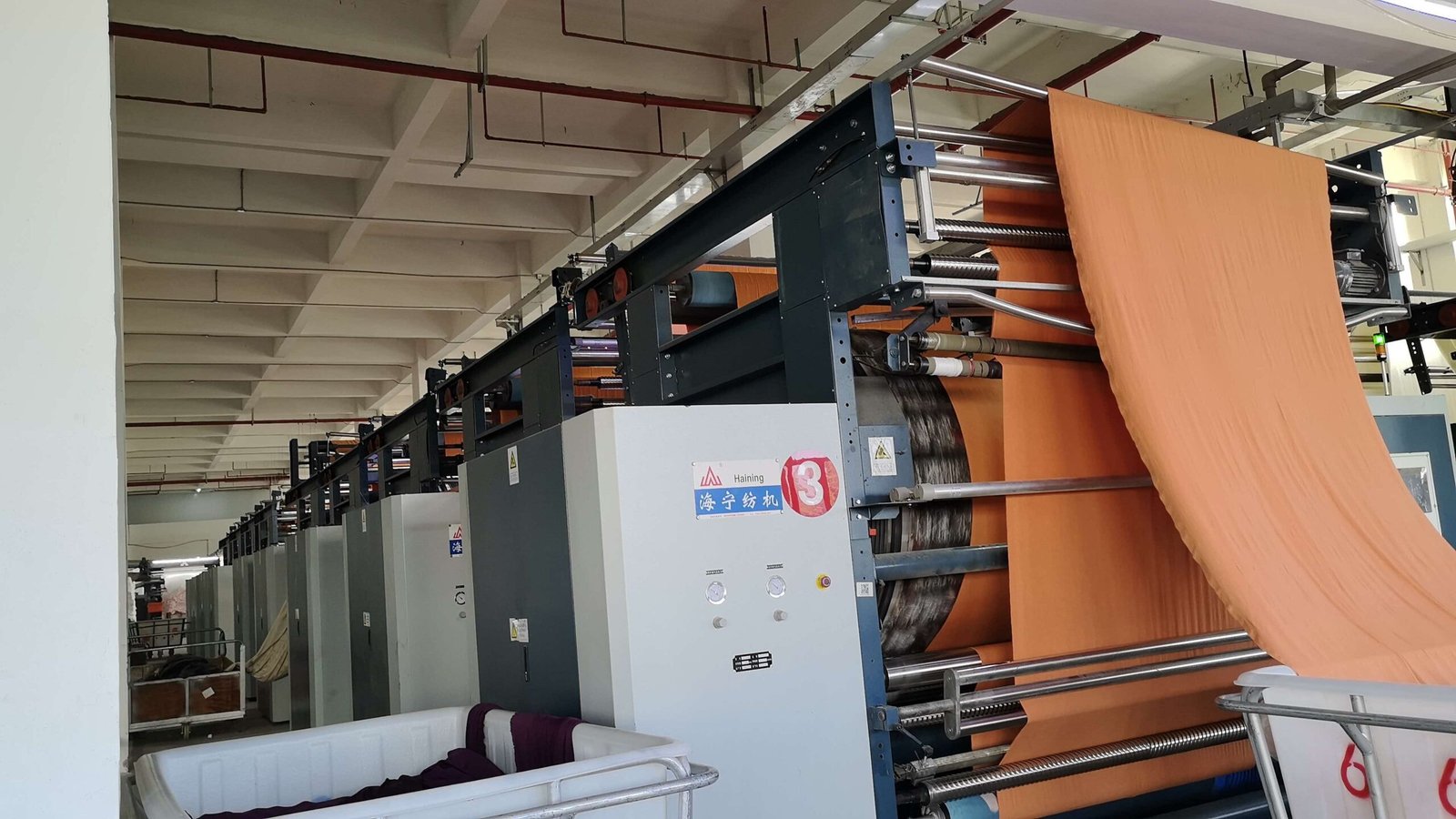
Knit Fabric Sourcing with Our Own Factory
Even Fabric is a knit fabric manufacturer with its own factory. Our product focus covers eight core categories for apparel, including patterned jacquard, jersey, rib, pique, fleece, interlock, mesh and ponte.
The individual fabric remains the basis of the sourcing discussion. Construction, composition, weight and width connect the garment idea to a specification that can be discussed in practical terms.
Discuss Your Knit Fabric Requirement
Start with a category, a fabric example or a garment application. Include the key specifications and estimated quantity to begin a discussion about fabric options and quotation requirements.